
Beyond the Music: the History and Heritage of “Arirang”
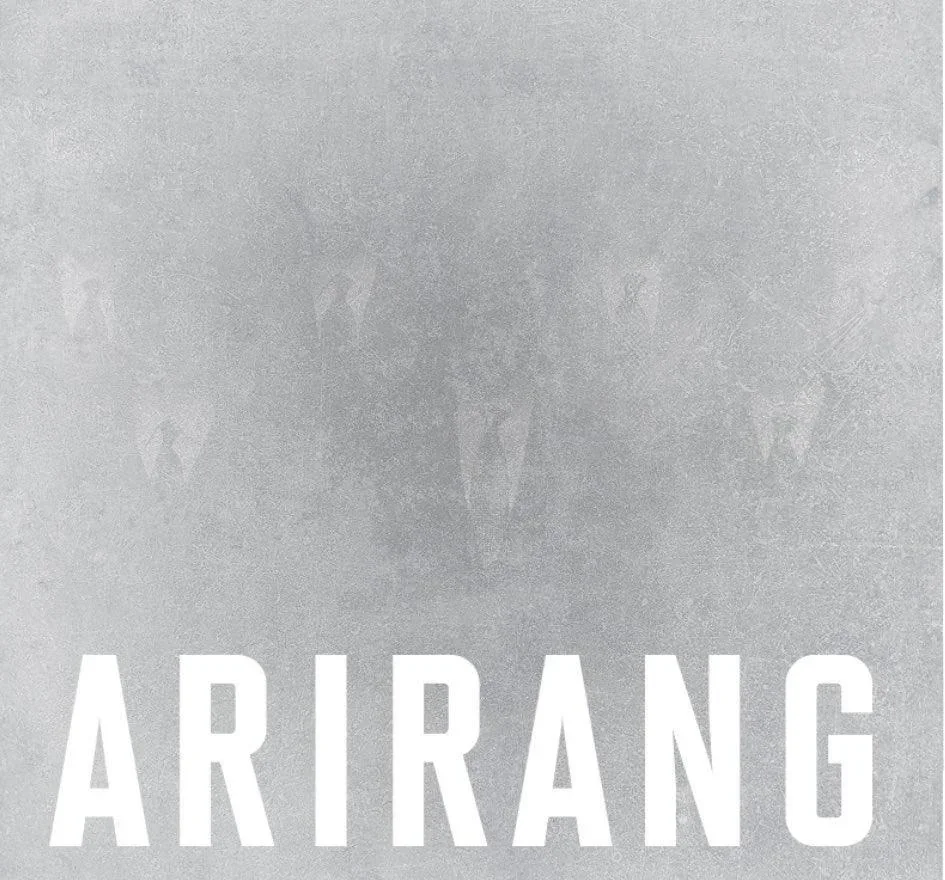
ARIRANG Album Artwork
With the announcement of BTS's upcoming album, ARIRANG, we find ourselves standing before a title that is much more than a simple folk song—it’s part of the cultural DNA of Korea. As a team without Korean heritage, we recognize that it is not our place to define “Arirang” for anyone. Instead, we want to act as a signpost, guiding curious ARMY toward the scholars, creators, and community members of Korean cultural background who can best explain the depth of this unofficial national anthem.
BTS & “Arirang” Have Come Together Before…
Click the thumbnail below to view their amazing performance at KCON 2016 in France.

BTS performing “Arirang” at the KCON 2016 Opening Ceremony in France. Courtesy of KCON Official.
What is “Arirang”?: Scholarly and Korean Cultural Resources
Below is a collection of resources to help us listen, learn, and appreciate the cultural roots BTS is sharing with ARMY and the world.
Resources from International & Korean Cultural Organizations
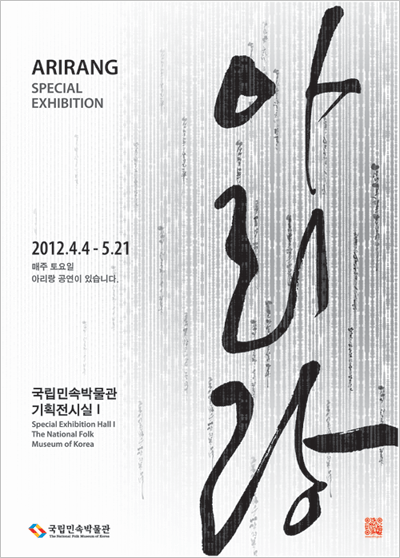
Arirang Special Exhibition Poster courtesy of the National Folk Museum of Korea
UNESCO (Republic of Korea): A look at how “Arirang” functions as a living tradition in South Korea, emphasizing its role in fostering community—bonding and creativity through its thousands of variations.
UNESCO (DPRK): Highlights “Arirang” as a symbol of shared heritage across the peninsula, reflecting the national sentiment and the resilience of the Korean spirit.
National Folk Museum of Korea: An exploration of arirang as the ultimate expression of Han (sorrow) and joy, illustrating how the song encapsulates the tumultuous history of the Korean people.
Academy of Korean Studies: A grand prize winning essay into how the song “Arirang” promoted solidarity during periods of colonization and diaspora (people who live separately from their homeland—used here to indicate people of Korean heritage living outside of Korea), acting as a unifying medium for Koreans worldwide.
Insights from Korean Creators
HYBE BOY (YouTube): A poignant reflection on why BTS choosing this title feels bittersweet, reframing the comeback as an act of returning to one’s roots despite the complexities of national identity.
@jinwoopark0721 (Instagram): A music-focused breakdown of how “Arirang” has countless variations and is shaped by different regions and generations over time.
DKDKTV (YouTube): An overview of the regional variations of “Arirang” and how BTS previously engaged with the song to express pride in their cultural heritage.
Jae-Ha Kim (Substack): A renowned journalist provides historical context on the song’s status as a resistance anthem and what it signifies for BTS to bring this to the global stadium stage.
TK (So What): A personal and analytical take on the linguistic nuances of “Arirang” and how its themes of longing and separation resonate with BTS recently returning from mandatory service.
Reflections from ARMY with Korean Cultural Background
To truly understand arirang we must listen to those for whom the word carries a lifetime of weight. Two Korean-American members of our community, Kiki Mama and JJK, shared their thoughts about “Arirang” and what this comeback means to them. We are honored to amplify their voices here.
Q: In your own words, how would you define the concept of arirang? Because there is no direct English translation, we are interested in the nuances this word carries in Korean culture.
Kiki Mama: It is really hard to define Arirang as a concept because to me, it is a feeling... a traditional folk song that has always symbolized Korea, its people, culture, and pride. The fact that BTS named their comeback album ARIRANG means to me that they are going back to their roots, musically.
JJK: “Arirang” is not just an ancient Korean folk song about sadness, struggle, separation/loss, longing, and hope, it's the cultural anthem of our history and identity and is the weight we carry of our ancestors. It's their legacy. But it's also our hope for the next generation and for a better life.
Q: As BTS prepares to bring ARIRANG to a global stage, what cultural concepts do you feel are most important for ARMY to understand?
Kiki Mama: Just having love and understanding for each other.
JJK: My wish is that ARMY takes the time to learn about Korea's sad history and what Koreans endured through war, occupation, poverty, etc. Only then can they understand why emotions such as Han and Jeong (belonging)exist and also how and why Korea has rapidly evolved into an advanced country, driven by the pursuit of excellence. BTS' journey of struggle, overcoming obstacles and hardships, and resilience is an example of arirang.
What does “Arirang” mean to you personally, particularly in the context of your upbringing or cultural identity? How has your understanding evolved over time?
Kiki Mama: “Arirang” is a comforting, familiar song that all Koreans know because it’s part of the fabric of our Korean culture. Just as a hanbok is the traditional clothing of Korea, or kimchi is a staple of a Korean meal, “Arirang” has long been a song that represents us as Koreans. Growing up, my parents would bring us to many cultural shows, and inevitably, “Arirang” would be performed. Now, as an adult hearing the song, it feels like a huge blanket covering me. My first reaction to hearing that this was the name of BTS’ album… I got so emotional. I thought, “Of course! It makes sense!”
JJK: “Arirang” resonates a little differently for the Korean diaspora. When you're raised outside Korea, you face racial discrimination and hatred and it leaves an indelible mark. When you're raised with Korean values and traditions at home and live in a Western society with very different values and mindset, it's difficult to reconcile the two worlds when you're young. And the longing to understand your cultural identity becomes even more important with time. I grew up hearing the song “Arirang” at home, and at Korean gatherings and events, so the song is an integral part of my childhood. Over time, “Arirang” has become less about struggle and hardship and more about Korean resilience and pride.
How does it feel to see this foundational piece of Korean culture being shared with the world on a massive scale?
Kiki Mama: Honestly, the whole ‘K-everything’ has been overwhelming to me, but I feel immense pride to be Korean, and BTS has been a large reason for that.
JJK: When I first saw the video of BTS (and other Korean artists) singing “Arirang” at KCON in France, it was a WTF moment. I remember showing it to my father and he was shocked to see the non-Korean faces in the audience singing along and cheering. It was surreal. The same faces that once disparaged us for being Korean are now celebrating Korean culture. Even today, I can't say I'm fully used to it. I have this conversation with my Korean friends and we find it perplexing and a bit overwhelming at times. That said, BTS members have been incredible cultural ambassadors for Korea, not only by spreading cultural awareness, but also by healing Koreans and replacing what once were feelings of shame to feelings of immense pride.
Is there anything else that you’d like to share with ARMY around the world regarding the concept of arirang and/or the Spring 2026 comeback?
Kiki Mama: Knowing how introspective and deeply meaningful their music is, I expect nothing short of a spectacular and memorable album and comeback! Borahae!
JJK: Naming their comeback album ARIRANG is so meaningful and appropriate. I loved seeing the immediate curiosity and response from ARMY. Their launch in the Spring brings a renewed sense of hope and excitement. This will be ARMY's “Arirang”!

A still from the "SWIM" Official M/V Teaser 2. Courtesy of BigHit Music / HYBE Labels.
Sailing into Spring Together
With only a couple days until the comeback, it has become clearer than ever that ARIRANG is not a simple title. For BTS, it’s a return to their roots; for the Korean people, it’s a song of resilience that has survived centuries; and for ARMY, it’s an opportunity to listen and learn.
By engaging with the resources and reflections shared here, we hope to move beyond being mere fans to also becoming mindful students of the culture BTS so proudly represents. We may not share the heritage of “Arirang”, but through their music, we are invited to cross the "Arirang Pass" alongside BTS—appreciating the sorrow, celebrating the joy, and honoring the history that shaped the seven men we love and support.
